
Signs It’s Time to Seal Your Asphalt Surface
Noticing cracks, fading color, or water pooling may indicate it’s time to seal your asphalt surface, and local contractors can help protect and extend its lifespan.
If your asphalt surface is showing signs such as cracks, fading color, or surface raveling, it may be time to consider sealing. Recognizing these indicators early can help property owners protect their investment and extend the lifespan of their paving. Local contractors who specialize in asphalt surface sealing are equipped to assess these warning signs and recommend the appropriate actions to maintain a durable, smooth surface.
Understanding when to seal your asphalt is essential for preventing more costly repairs down the line. Common signs like surface deterioration or the presence of small cracks often point to the need for sealing services. Connecting with experienced local service providers can ensure that these issues are addressed promptly, helping property owners preserve the appearance and functionality of their paved areas. Keep reading to learn more about the key indicators that signal it’s time to seal your asphalt surface.
- Asphalt driveway sealing services are recommended when cracks and surface deterioration become visible, and local contractors can assess the extent of damage to determine if sealing is appropriate. Parking lots showing signs of fading or surface oxidation may benefit from sealing to restore appearance, with local pros applying protective coatings to extend lifespan. Driveways exhibiting oil stains or surface discoloration can be revitalized through sealing, which local service providers can tailor to the specific condition of the asphalt. When the surface begins to develop small cracks or loose aggregate, local contractors can perform sealing to prevent further damage and preserve structural integrity. Regular inspections by local pros can help identify these signs early, ensuring timely sealing to maintain asphalt durability.
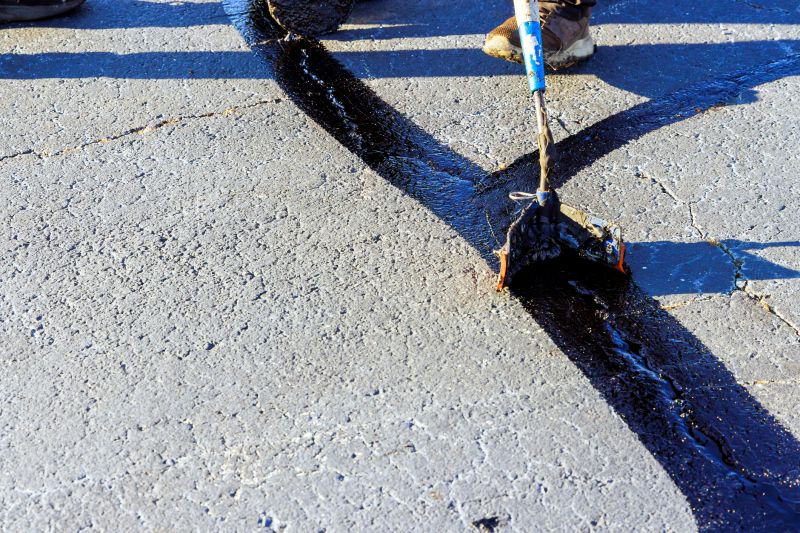
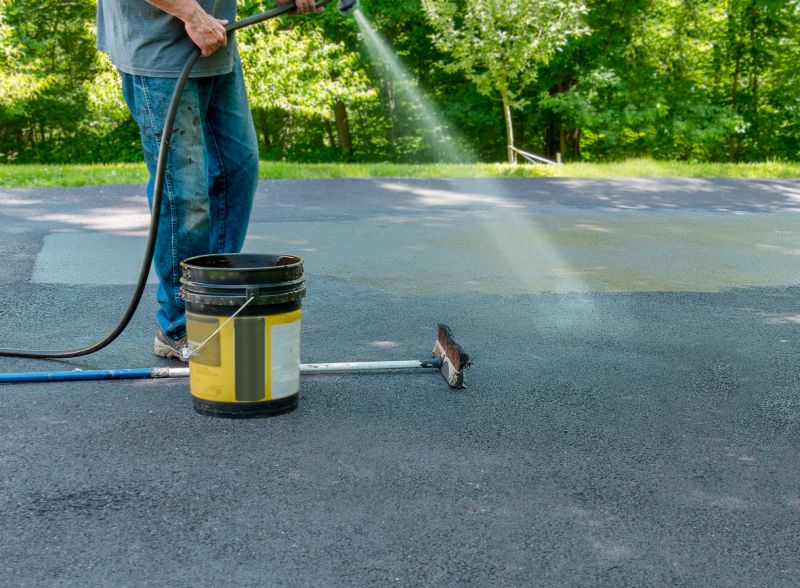
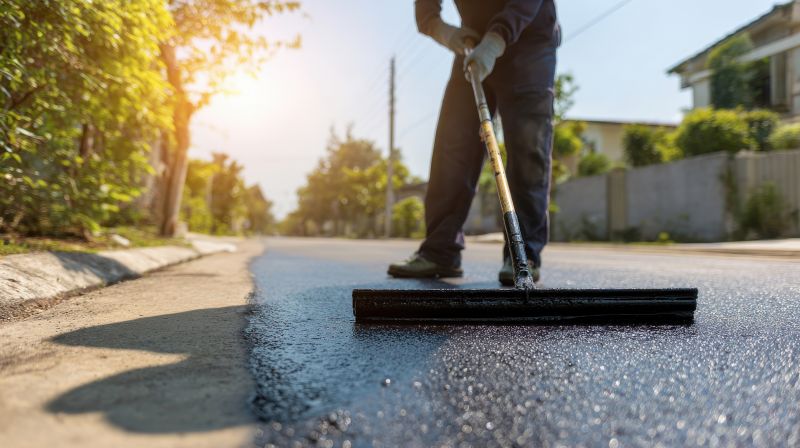
When searching for signs it’s time to seal your asphalt surface, homeowners are usually trying to determine whether their driveway, parking lot, or other paved areas need maintenance. Over time, asphalt can develop issues that compromise its appearance and durability. People often look for visible indicators that suggest the surface is aging or deteriorating, so they can plan for sealing before more serious problems arise. Recognizing these signs early can help preserve the integrity of the asphalt, prevent costly repairs, and extend its lifespan.
This topic relates closely to common property concerns such as cracking, surface wear, and the presence of water pooling. Asphalt surfaces that are not sealed regularly are more vulnerable to damage caused by weather elements, foot or vehicle traffic, and chemical spills. Property owners may also be considering sealing as part of a broader plan to improve curb appeal or prepare for upcoming events or property sales. Understanding when to seal can be a key step in proactive maintenance, ensuring the asphalt remains functional and visually appealing.
Properties that typically come up in discussions about sealing include residential driveways, commercial parking lots, and community or school grounds. Residential properties often seek to protect their driveways from cracking and fading, especially in climates with temperature fluctuations. Commercial properties may focus on maintaining a professional appearance while preventing surface damage that could lead to safety hazards. In all cases, local contractors who specialize in asphalt sealing can assess the specific conditions of each property and recommend the right timing for sealing to maximize the surface’s performance.
Homeowners and property managers should be aware of several common signs indicating it’s time to seal their asphalt surfaces. These include the appearance of small cracks, a dull or faded surface, and the development of surface raveling-where the top layer begins to break apart. Water pooling or the formation of minor potholes can also signal that the asphalt’s protective layer has weakened. Recognizing these signs allows property owners to connect with local service providers who can perform sealing services, helping to restore and protect the asphalt before more extensive repairs become necessary.
Paving repair projects - these involve assessing and fixing damaged surfaces, which requires similar planning and surface preparation skills as sealing asphalt to prevent further deterioration.
Driveway resurfacing - resurfacing involves preparing the existing asphalt surface, making it a related service that often pairs with sealing to extend the lifespan of the pavement.
Crack filling services - filling and sealing cracks is a crucial step before sealing the entire surface, requiring similar tools and techniques used in asphalt sealing projects.
Parking lot maintenance - maintaining commercial asphalt surfaces involves sealing and surface treatments to improve durability and appearance, aligning with sealing services.
Asphalt patching - patching repairs localized damage and involves surface preparation skills that are also essential when applying sealants to protect the asphalt.
Surface cleaning and prepping - thorough cleaning and surface prep are foundational steps in sealing projects, making this a closely related skill set handled by local contractors.
When comparing local contractors for asphalt surface sealing, it’s important to evaluate their experience with similar projects. Homeowners should inquire about the types of surfaces the service providers have worked on and ask for examples of past work that align with their specific needs. A contractor with a proven track record of handling asphalt sealing for residential driveways or parking areas can offer insights into their familiarity with common issues and best practices, ensuring the job will be done effectively.
Clear written expectations are essential to avoid misunderstandings and ensure satisfaction with the completed project. Homeowners should seek service providers who can provide detailed descriptions of their sealing process, including preparation, application methods, and any necessary follow-up maintenance. Having this information in writing helps set realistic expectations and provides a reference point throughout the project, making it easier to assess whether the work aligns with what was agreed upon.
Reputable references and good communication are key factors when selecting a local contractor for asphalt sealing services. Homeowners are encouraged to ask for references from previous clients to gain insight into the contractor’s reliability and quality of work. Additionally, responsive and transparent communication during the inquiry process can indicate a contractor’s professionalism and willingness to address questions or concerns. Choosing a provider who clearly communicates and has a history of satisfied clients can help ensure the project proceeds smoothly and meets expectations.
Property owners often search for signs it’s time to seal your asphalt surface when they are planning practical projects around their homes and businesses. Local pros provide Asphalt Surface Sealing services for everyday jobs and straightforward project options.
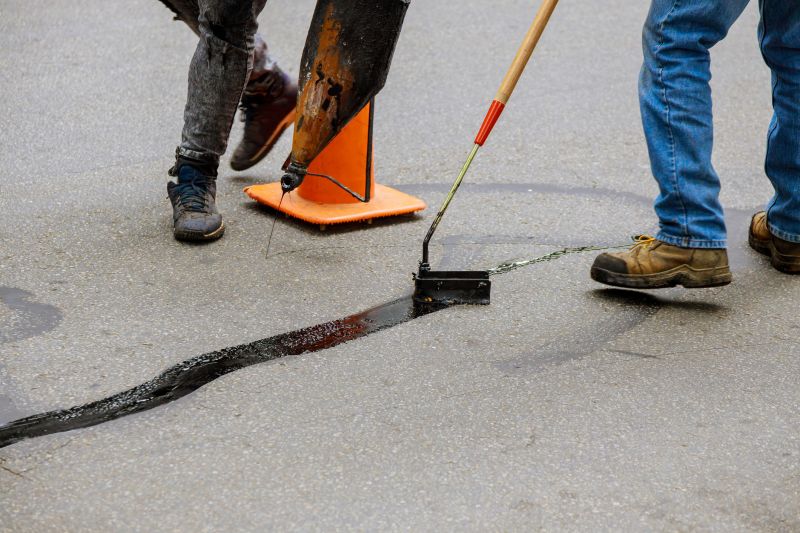
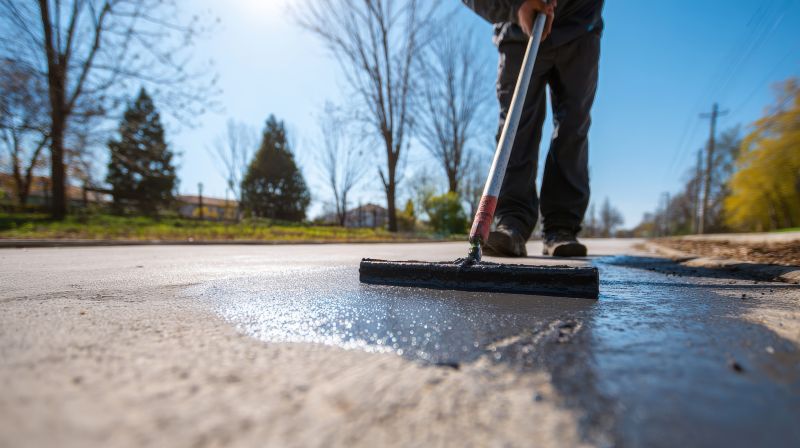
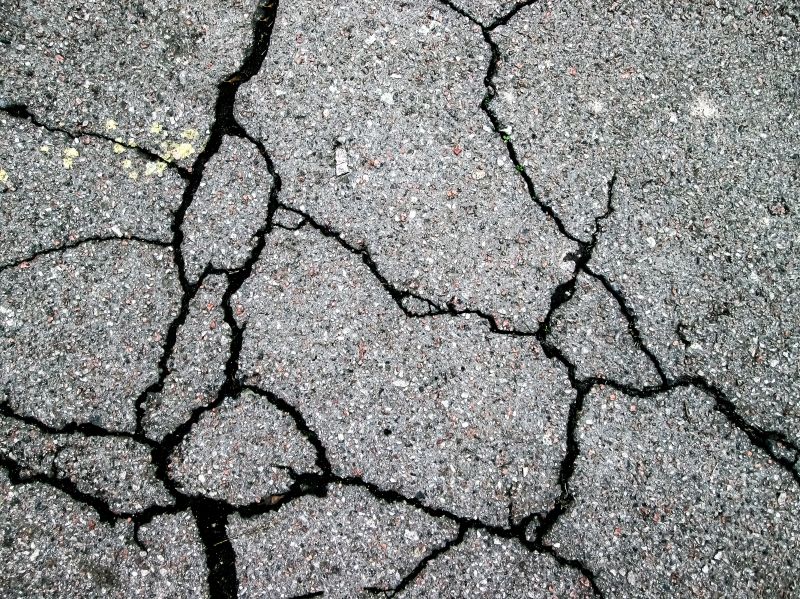
Property owners noticing cracks or small holes appearing on their asphalt driveway or parking lot may begin to wonder if sealing the surface is necessary. These minor damages can be early indicators that the asphalt’s protective layer is starting to weaken, making it more vulnerable to further deterioration. Additionally, if the surface looks dull, faded, or shows signs of surface oxidation, it could be a sign that sealing is needed to restore its appearance and protect it from the elements. Local contractors who specialize in asphalt sealing can assess these signs and recommend appropriate solutions to help extend the lifespan of the surface.
Other common signs that it might be time to consider sealing include areas where water tends to pool or drain poorly, as this can accelerate surface wear and develop into more serious damage. Faded or discolored patches may also suggest that the asphalt has lost its protective coating, making it more susceptible to cracking and deterioration. Property owners who observe these issues can benefit from consulting with experienced service providers who can evaluate the condition of the asphalt and determine if sealing can help preserve its integrity and appearance.
What are common signs that indicate it’s time to seal your asphalt surface? Visible cracks, fading color, and surface deterioration are typical signs that your asphalt may need sealing to prevent further damage.
How can I tell if my asphalt surface has lost its protective layer? When the asphalt appears dull, dry, or shows signs of surface oxidation, it often signals the need for sealing by local contractors.
Are there specific weather conditions that suggest sealing is necessary? After periods of heavy rain, freeze-thaw cycles, or prolonged exposure to sunlight, asphalt surfaces can benefit from sealing to maintain their integrity.
What physical signs on the asphalt surface indicate it’s time to consider sealing? The presence of small cracks, surface raveling, or areas where the asphalt feels rough or brittle are indicators that sealing may be needed.
Why is sealing important when signs of wear become noticeable? Sealing helps protect the asphalt from water penetration, UV damage, and further cracking, which local service providers can help address when signs appear.
Surface cracking or potholes - noticing cracks or potholes on an asphalt surface can indicate the need for sealing to prevent further damage, and local contractors can assess and treat these issues.
Faded or worn appearance - a dull, faded look suggests the asphalt has lost protective oils, making sealing services from local pros a practical way to restore and protect the surface.
Water pooling or erosion - areas where water collects or erosion occurs may benefit from sealing to improve surface durability and prevent further deterioration, with local service providers able to help.
Surface oxidation or loss of color - signs of oxidation, such as a chalky surface or color fading, often signal it’s time for sealing to extend asphalt lifespan, which local pros can handle efficiently.
If you are thinking about signs it’s time to seal your asphalt surface for a property, this guide is meant to help you understand this topic, the typical project types, and how different options might fit your plans.
When you are ready, you can use the quote form on this page to share a few details about your project. From there, local pros can review the basics and follow up with options that match what you have in mind.